Google Pixel 3 XL Specs
Google Pixel 3 XL Specs: A 2026 Look Back at a Computational Legend
In January 2026, the Google Pixel 3 XL feels like a device from a different eon. This was the phone that proved Google could do more with one camera lens than other manufacturers could do with three. It was also the phone that gave us the "Bat-Notch" a display cutout so deep it became an instant internet meme.
While the Pixel 3 XL reached its official end-of-life for software updates in early 2022, it remains a favorite for collectors and those who miss the era of two-tone glass backs and rear-mounted fingerprint sensors. Let’s break down the technical DNA of this 2018 classic.
1. The Design: Notch and All
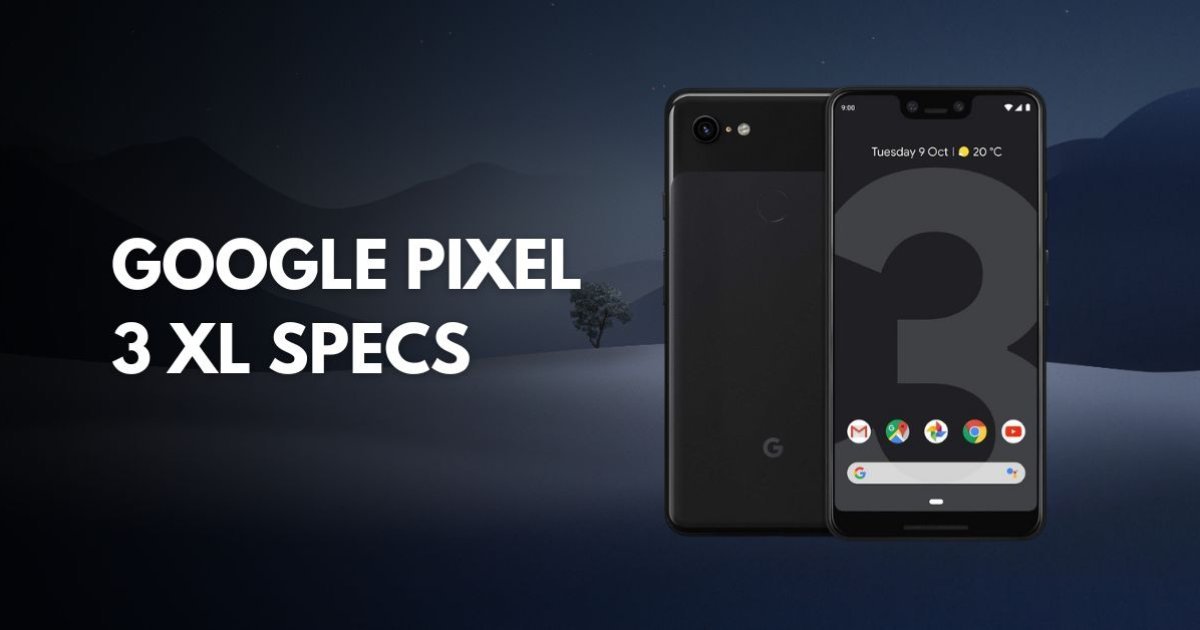
The Pixel 3 XL was defined by its front-facing hardware. Unlike the smaller Pixel 3, the XL featured a deep notch to house its unique dual-selfie camera system.
- Dimensions: 158 x 76.7 x 7.9 mm
- Weight: 184g
- Materials: Gorilla Glass 5 front and back with an aluminum frame.
- The "Soft Touch": The bottom 80% of the back glass featured a proprietary etching that made it feel like silk, a texture Google hasn't quite replicated since.
2. The Display: Sharp, But Dated
For its time, the screen was top-tier. Even in 2026, the resolution holds up remarkably well against modern mid-range phones.
- Type: P-OLED, HDR support
- Size: 6.3 inches
- Resolution: 1440 x 2960 pixels (QHD+)
- Pixel Density: ~523 ppi (stunningly sharp, even by 2026 standards)
3. The Camera: The 12.2MP Miracle
If you’re looking at these specs in 2026, this is the part that still matters. The Pixel 3 XL was the peak of Google's "Single Lens" philosophy.
- Rear Camera: 12.2 MP, f/1.8, 28mm (wide) with OIS and Dual Pixel PDAF.
- Video: 4K at 30fps (No 60fps 4K, which was a major complaint back then).
- Selfie Cameras: This was the Pixel 3 XL’s superpower. It featured dual 8MP sensors, one standard and one ultra-wide. This allowed for "Group Selfies" without a selfie stick, a feature we actually miss in 2026!
The Software Magic: This phone introduced Night Sight and Super Res Zoom. It proved that computational photography could overcome the limitations of a small, single sensor.
4. Hardware and Performance
This is where the age starts to show. In 2026, 4GB of RAM is considered the bare minimum for even the cheapest budget phones.
- Processor: Qualcomm Snapdragon 845 (10 nm)
- RAM: 4GB LPDDR4x
- Storage: 64GB or 128GB (No MicroSD expansion)
- Battery: 3,430 mAh (By 2026, most remaining units will likely need a replacement to last more than 4 hours).
A Brief Tangential Thought
Remember the Active Edge? You could literally squeeze the sides of the Pixel 3 XL to launch Google Assistant. In 2026, where we use gestures and voice commands for everything, I actually find myself missing that tactile squeeze. (Rhetorical question: Why did we move away from physical interactions that didn't require looking at the screen?) Compare Pixel 3 vs Pixel 3 XL.
The 2026 Verdict: Is it still usable?
Yes, for:
- Photography Enthusiasts: The "Pixel Look" from this era is still unique. It produces high-contrast, moody shots that many prefer over the over-brightened AI photos of 2026.
- Secondary Devices: It’s a great dedicated music player or a backup camera.
- Unlimited Photo Backup: Many of these units still qualify for unlimited storage in Google Photos (at "Storage Saver" quality), which is a goldmine in 2026.
No, for:
- Primary Daily Use: With no security updates since 2022, using this for banking or sensitive data is a risk.
- Gaming: The Snapdragon 845 and 4GB of RAM will struggle significantly with modern 2026 titles.